


7 Mistakes You're Making When Telling Your Partner You’re a Crossdresser (and How to Fix Them)
- Maddie Taylor

- Mar 3
- 5 min read
I’ve been there. That heavy, fluttering knot in your stomach. The cold sweat that starts the moment you think, “Tonight is the night I tell her.” You’ve spent weeks, maybe years, hiding this beautiful, complicated part of yourself in the back of the closet, literally and figuratively. You want to be honest, you want to be seen, but the fear of "The Talk" is enough to make anyone want to crawl back under the covers and stay there.
When it comes to sharing your life as a crossdresser with your partner, it’s one of the most vulnerable things you’ll ever do. It’s a bridge-building moment. But let’s be real: sometimes we accidentally knock the bridge down before we even finish the first span.
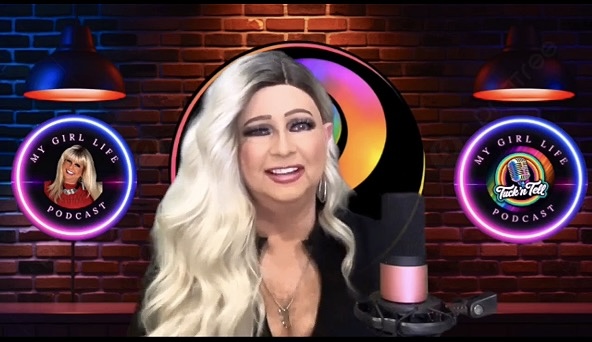
In my time hosting the My Girl Life Podcast, I’ve talked to so many of you, and so many partners, about this exact moment. What I’ve learned is that it’s rarely the "what" that causes the friction; it’s the "how." We go into it defensive, scared, or unprepared, and then we wonder why things go sideways.
If you’re ready to open that door, let’s make sure you do it with grace, love, and a plan. Here are the seven biggest mistakes I see people make when coming out to their partners, and how you can flip the script for a much better outcome.
1. The "Identity Fog" (Not Knowing Your Own 'Why')
The biggest mistake you can make is trying to explain yourself to someone else before you’ve explained yourself to yourself. If you approach your partner and say, “I think I like wearing dresses but I don’t know why and I’m really confused,” you are essentially handing them a puzzle with half the pieces missing and asking them to solve it for you.
When you are unsure or seem confused, it can be scary for a partner. They might start filling in the blanks with their own fears: Is he leaving me? Is he transitioning? Is he unhappy?
The Fix: Take some time for self-reflection first. Do you consider yourself a hobbyist crossdresser? Are you exploring a deeper feminine identity? Are you one of the many Trans women who started with crossdressing? Whatever it is, have a clear baseline. You don't need to have every answer, but you should have a "core truth" to share.
2. The "Confession" Vibe (Treating It Like a Crime)
I see this all the time. You sit your partner down, look like you’re about to deliver news of a terminal illness or a high-speed car chase, and whisper, “I have something terrible to tell you.”
Stop right there! If you treat your gender expression like a shameful secret or a crime you’ve committed against the relationship, your partner will react accordingly. They will think something is wrong because you are acting like something is wrong.
The Fix: Frame this as an invitation, not a confession. This is a part of your soul, your creativity, and your joy. Tell them, “I love you and I trust you so much that I want to share a part of my life that makes me feel happy and whole.” Be confident. Look them in the eye. You aren't asking for forgiveness; you’re offering intimacy.
3. The "Drive-Thru" Reveal (Terrible Timing)
Timing is everything. Please, for the love of all things sparkly, do not tell your partner you’re a crossdresser five minutes before you have to leave for your mother-in-law’s birthday dinner. Don't tell them while they are stressed out with work, and definitely don't tell them after a few too many cocktails when emotions are already high and logic is low.
The Fix: Set the stage for a calm, uninterrupted conversation. Choose a time when you both feel connected and relaxed: maybe a lazy Sunday afternoon or a quiet evening at home. You want a "sober and steady" environment where they have the space to ask questions and process the information without the pressure of a ticking clock.

4. The "Information Dump" (Over-Explaining or Going Vague)
There are two extremes here. Some of us get so nervous that we write a 20-page manifesto and read it aloud, overwhelming our partners with 40 years of history in one sitting. Others get so scared they stay vague, saying things like, “Sometimes I like feminine things,” which leaves the partner wondering if you mean you like scented candles or if you want to wear a ballgown to the grocery store.
The Fix: Be specific but keep it digestible. Focus on what this looks like for the relationship now. “I enjoy expressing my feminine side by wearing clothes like [X] at home. It helps me relax and feel like a more complete version of myself.” Give them enough information to understand the "scope" without drowning them in a sea of details they aren't ready for yet.
5. Ignoring the "What About Me?" Factor
When you share this, your partner’s first thought: even if they love you to pieces: is often, “What does this mean for us?” They might wonder about your sexuality, your future together, or how this affects their own identity. If you spend the whole time talking about your journey and zero time acknowledging their feelings, they’re going to feel sidelined in their own relationship.
The Fix: Lead with empathy. Acknowledge that this is a lot to take in. Ask them questions: “How are you feeling about this?” “What can I do to help you feel secure?” Remind them that your love for them hasn't changed. Partnership is a two-way street; make sure they know they’re still in the driver’s seat with you.

6. Expecting Instant Acceptance
You’ve had years to get used to the idea of crossdressing. Your partner has had about five minutes. If they don't jump for joy and immediately offer to go shoe shopping with you, it doesn't mean the relationship is over. Sometimes, their first reaction is fear or confusion: and that’s okay.
The Fix: Give them "Process Grace." Let them have their initial reaction without getting defensive. If they need to cry, let them. If they need space, give it to them. Don't push for a "yes" or a "no" on the first night. Tell them, “I don’t expect you to have all the answers right now. Let’s just let this sit, and we can talk more whenever you’re ready.”
7. Not Having Resources Ready
Sometimes, a partner just needs to know they aren't alone. If you tell them you’re a crossdresser and then leave them to Google it on their own, they might stumble upon some pretty dark or confusing corners of the internet.
The Fix: Be the curator of their education. Have a few resources ready that show the positive, healthy side of the community. Mention that there are thousands of couples navigating this exactly like you are. This is exactly why I do what I do: to show that our lives can be vibrant, normal, and full of love.
Join the Conversation
Telling your partner is the start of a new chapter, not the end of the book. It takes courage to be authentic, and I promise you, living your truth is worth the effort.
If you want to hear more stories from people who have navigated this journey: the good, the bad, and the fabulous: delve into the episodes of the My Girl Life Podcast. We explore the complexities of gender expression and reflect on the beauty of living an authentic life every single week.
You don't have to do this alone. Together, we can find the words, the style, and the confidence to be exactly who we are meant to be. Now, take a deep breath( you’ve got this!)
Comments