


Are Crossdressing Support Groups Dead? What the My Girl Life Podcast Community Reveals
- Maddie Taylor

- Mar 5
- 6 min read
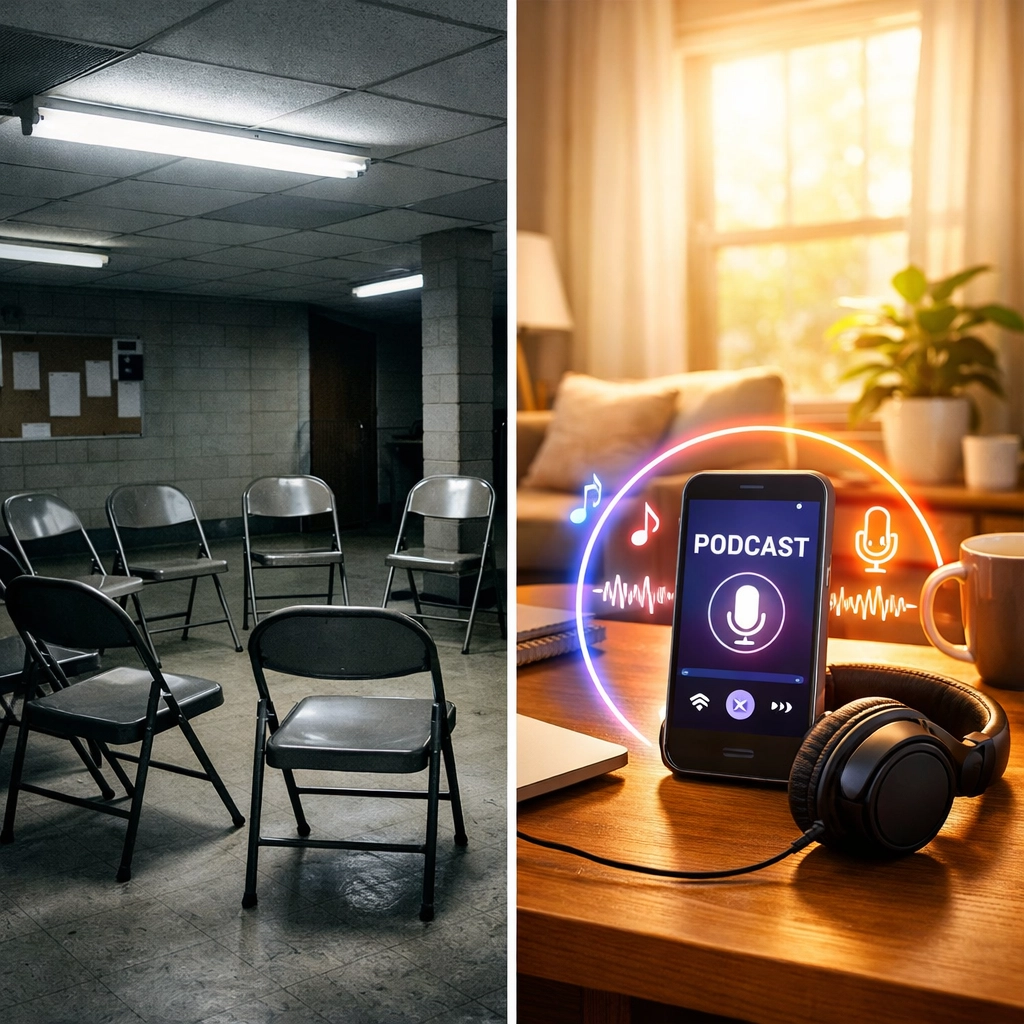
Remember those dimly lit church basements? The folding metal chairs arranged in awkward circles? The strict 7 PM start time on the second Tuesday of every month? For decades, that was the lifeline for crossdressers and trans women seeking community and support, if you were brave enough to walk through that door.
Here's the thing: I'm not here to trash traditional support groups. They saved lives. They gave people their first glimpse of acceptance when the rest of the world was telling them to hide. But if I'm being honest? A lot of them are struggling. Some have closed their doors entirely. And I don't think that's necessarily the tragedy everyone makes it out to be.
The Reality Check Nobody Wants to Talk About
Traditional crossdressing support groups came with baggage, and I'm not just talking about the oversized purse you stuffed your heels into for the drive over.
First, there was the fear. Walking into a physical space meant being seen. It meant someone might recognize your car in the parking lot. It meant the possibility of running into your neighbor, your coworker, or, God forbid, your kid's teacher in the hallway. I've heard countless stories from listeners who drove an hour out of their way just to attend a group where they felt anonymous enough to breathe.
Then there were the logistics. These groups met once, maybe twice a month if you were lucky. Miss that Tuesday night because of work, family obligations, or just plain exhaustion? Too bad. Wait another month. And if you lived in a rural area or smaller town? Forget it. Your nearest support group might be two or three hours away.
But here's what really gets me: the culture. Some of these groups were incredible, run by passionate people who genuinely cared. But others? They were stuck in 1985. Outdated language. Rigid rules about presentation. Unspoken hierarchies about who was "doing it right" and who wasn't. For every person who found acceptance, there was another who walked in, looked around, and thought, "This isn't for me either."
The Digital Revolution Changed Everything
I started My Girl Life Podcast because I saw the gap. I watched traditional support structures struggling while crossdressers and trans women were increasingly turning to YouTube, podcasts, Discord servers, and online forums. At first, I wondered if we were losing something essential by moving away from face-to-face connection.
But then I started hearing from listeners. And wow, what they revealed completely changed my perspective.
People listen to My Girl Life at 2 AM when dysphoria hits hard and they can't sleep. They listen in their cars during lunch breaks, finally hearing someone talk openly about experiences they thought only they had. They listen while getting ready in the morning, learning makeup tips and hearing stories that make them feel less alone. One listener told me she plays episodes while doing housework because it's like having a supportive friend in the room, something she's never had in her physical life.
This is support that fits into your life, not support that demands you rearrange your life around it.
What Makes Podcast Support Different (And Why It Works)
Here's what I've discovered about how digital spaces like My Girl Life function as modern support systems:
Anonymity without isolation. Listeners can engage with content, learn, and feel connected without ever revealing their identity if they're not ready. There's no pressure to show up looking "passable" or having your life together. You can be wherever you are in your journey, and that's enough.
Access on your terms. Someone who's just starting to explore crossdressing can listen to an episode about first steps. Someone who's been out for decades can tune into conversations about long-term relationships or workplace navigation. Traditional groups often had to serve everyone at once, which meant the content was too basic for some and too advanced for others.
Diverse voices and experiences. In a traditional support group, you heard from whoever showed up that month. On My Girl Life, I bring guests from all backgrounds, locations, and life stages. Trans women, crossdressers, partners, allies, each episode offers a different perspective. You get to hear from people you'd never meet in your local group.
Replay value. This one's huge. I can't tell you how many messages I get from people who've listened to certain episodes multiple times. Maybe they weren't ready to hear certain advice the first time. Maybe they needed the encouragement again six months later. You can't rewind a support group meeting.
But What About Community?
I know what you're thinking: "Okay, Maddie, but listening to a podcast is one-way. Where's the community part?"
Fair point. And honestly, I wondered about that too. But here's what's wild, community is forming anyway, just differently.
Listeners connect with each other through social media after hearing episodes. They reach out to me with their stories, and I share those stories (with permission) in future episodes, creating this ongoing conversation. People tell me they feel like they know me, like we're friends, even though we've never met. That parasocial relationship that people dismiss? For someone who has zero support in their physical life, it can be a lifeline.
Plus, here's something traditional support groups struggled with: continuity. People moved, schedules changed, groups disbanded. With a podcast, the archive exists forever. Every episode I create becomes part of a permanent resource library. Someone discovering My Girl Life in 2027 can go back and listen from the beginning, getting years of insights and stories in weeks.
The Truth About What We've Lost (And What We've Gained)
I'd be lying if I said digital support is perfect or that we haven't lost anything in the transition from traditional groups.
There's something about sitting in a room with other people who get it. The energy of shared presence. The spontaneous conversations after the "official" meeting ends. The friendships that form over coffee before everyone drives home. The mentorship that happens when an experienced member takes a newcomer under their wing. Those things? They're valuable, and they're harder to replicate online.
Some people genuinely need that in-person connection. They need the structure, the regular schedule, the accountability of showing up. For them, the death of traditional support groups is a real loss.
But here's what we've gained: reach. I have listeners in countries where being trans or a crossdresser is literally illegal. Traditional support groups can't help them. I hear from teenagers who aren't old enough to attend adult support groups but desperately need information and encouragement. I hear from people in nursing homes, people with disabilities that make leaving home difficult, people whose work schedules make attending evening meetings impossible.
My Girl Life and platforms like it have democratized access to support in a way traditional groups never could.
So Are Support Groups Really Dead?
Not dead, evolved.
The traditional model of monthly in-person meetings in church basements and community centers? Yeah, that's struggling, and I think it's okay to let it struggle. The needs have changed. The world has changed. People's comfort levels with technology have changed.
But support itself? Support is more alive and accessible than ever. It just looks different now.
Some areas still have thriving in-person groups that have adapted: they meet more frequently, they embrace inclusive language, they combine in-person gatherings with online communities. Those groups will continue because they're serving a real need.
Meanwhile, podcasts like My Girl Life, YouTube channels, online forums, and social media communities are serving millions of people who never had access to traditional support in the first place.
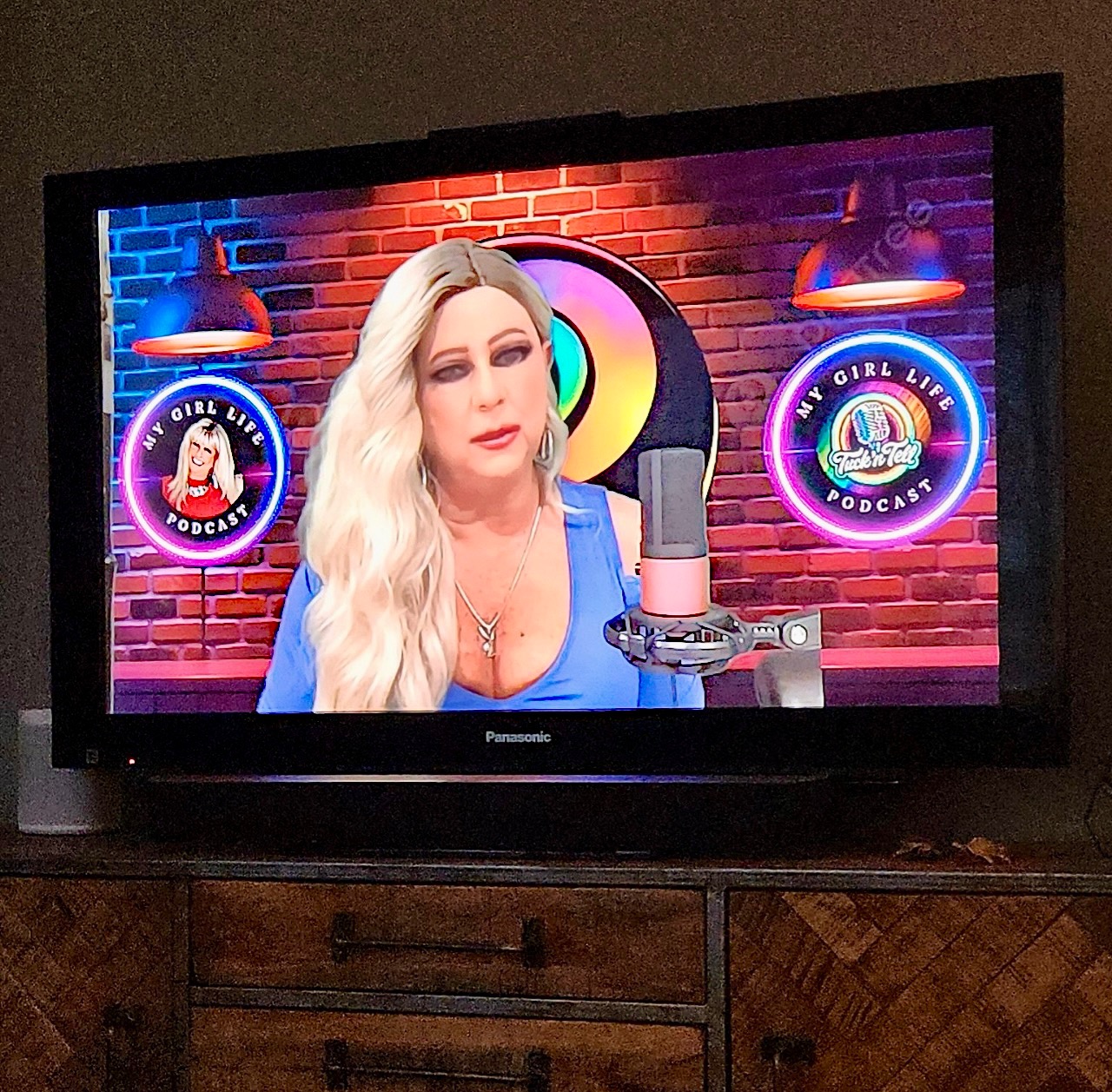
The question isn't whether support groups are dead. The question is: are we willing to recognize that support can exist outside the traditional framework we've always known?
What This Means For You
If you're someone who loved your local support group and it's closing, I get it: that loss is real and it's okay to grieve it. Look for hybrid options. See if your group can transition to virtual meetings or create a Facebook group to maintain connections.
But if you're someone who never felt comfortable walking into a traditional support group, or if you simply don't have access to one? You're not missing out on the only path to community and support. Digital spaces are valid. Listening to a podcast that speaks to your experience is valid. Learning from YouTube tutorials is valid. Finding your people on Discord is valid.
Support isn't about the format: it's about the connection, the information, the feeling of being understood. Whether that happens in a church basement or through your headphones at midnight doesn't change its value.
The crossdressing and trans community has always been resilient and creative. We've survived by adapting, by finding each other however we could. Traditional support groups served us beautifully for decades. Now we're building something new: something that reaches more people, offers more flexibility, and creates support that's accessible 24/7.
That's not the death of community. That's evolution.
And honestly? I think we're better for it.
Comments