


Crossdressing, Trans Women, and Finding Your Place in the LGBTQ+ Community

Join me for a conversation about belonging, identity, and the wonderfully untidy process of finding your place in the LGBTQ+ community. For crossdressers and trans women, that process can bring comfort, questions, excitement, and sometimes uncertainty. You may wonder whether your experience “counts,” which label fits, or whether you are welcome in a particular space.
Here is what I believe: you do not have to prove your identity to deserve kindness, support, or community.
Crossdressing is often about gender expression: how someone enjoys presenting, dressing, or exploring a feminine side. Being a trans woman is about gender identity: knowing yourself as a woman. These experiences can overlap, but they are not identical. Some crossdressers are certain they are men who enjoy feminine expression. Others are questioning, gender-fluid, or discovering they are trans women. There is no single path, and no identity is more “real” than another.
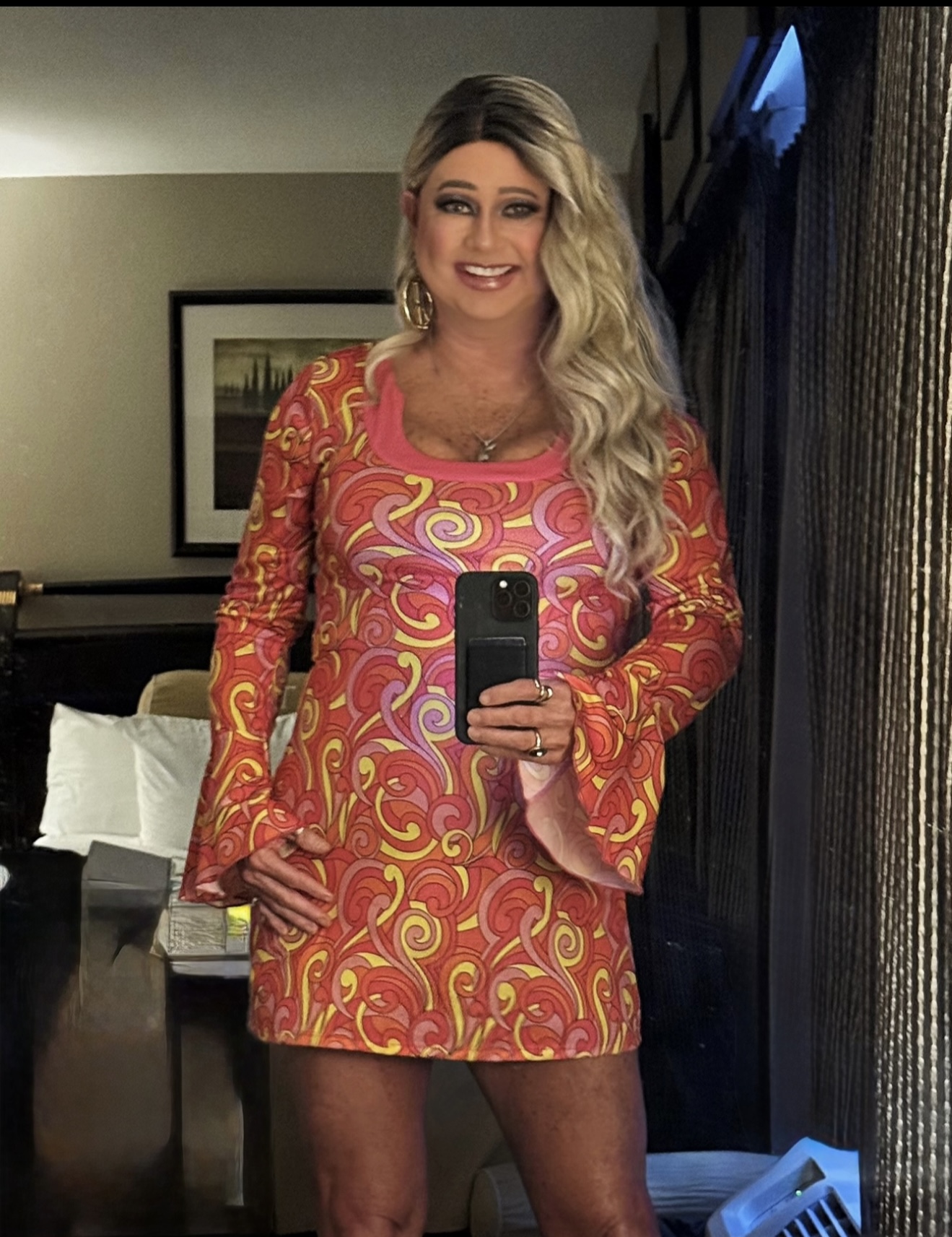
Labels should be helpful tools, not locked doors. You can call yourself a crossdresser, a trans woman, gender-nonconforming, questioning, or something else entirely. You can use several labels together, change your language over time, or choose not to label yourself. Your clothing, medical history, dating life, and level of visibility do not determine whether you belong.
Community spaces can look different for crossdressers and trans women. You might find connection through an LGBTQ+ community center, a gender-diverse support group, a crossdressing organization, an online forum, or a casual social gathering. Some groups focus on transition, while others center on expression, confidence, relationships, or simply sharing a laugh with people who understand.

When you are searching, look for words such as gender-expansive, gender-nonconforming, questioning, and trans-inclusive. Before attending, email the organizer and ask, “Do you welcome crossdressers and people who are still exploring their identity?” A supportive group will explain its expectations without making you audition for acceptance. You can begin online, attend with a trusted friend, or leave any space that feels judgmental or unsafe.

Crossdressers and trans women may need different kinds of support, but we can still share empathy, conversation, and community. On My Girl Life Podcast, I make room for those honest, heartfelt stories. Wherever you are beginning, keep exploring: and remember that belonging starts with being welcomed as you are.
Comments