


Dakarai Larriett - From Wrongful Arrest to the U.S. Senate: Dakarai Larriett's Fight for Justice


Watch the full video interview here: https://youtu.be/FIzXzgjTWq8
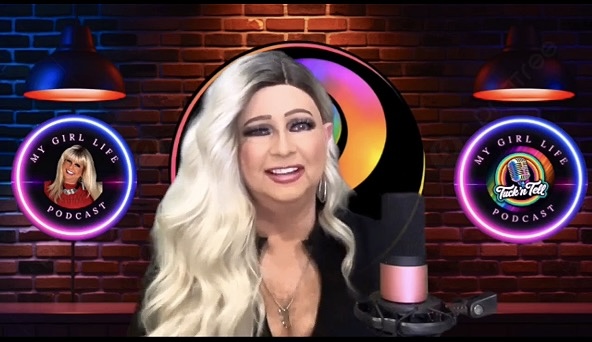
When I sat down with Dakarai Larriett for this episode of My Girl Life Podcast, I knew we were about to have a powerful conversation. But I didn't realize just how deeply his story would resonate: not just with me, but with everyone who's ever felt the sting of being judged, profiled, or treated as "less than" simply because of who they are.
Dakaari's journey from a traumatic wrongful arrest to launching a U.S. Senate campaign is nothing short of extraordinary. And while his experience centers on racial profiling and police misconduct, the themes of authenticity, resilience, and fighting for justice hit home for all of us in the trans and crossdressing community. We know what it's like to be gaslit, questioned about our identities, and forced to prove ourselves in spaces where we should simply be allowed to exist.
A Traffic Stop That Changed Everything
On April 10, 2024, Dakarai was driving through Benton Harbor, Michigan, when he was pulled over by Michigan State Police. The alleged reason? Running a red light: an accusation that video evidence would later prove completely false. But that's where this story really begins.
"It's unbelievable. Sometimes I wake up and I can't believe it really happened to me," Dakarai told me during our conversation. The shock in his voice was palpable, even months after the incident.
What started as a questionable traffic stop quickly escalated into something far more sinister. The officers subjected Dakarai to seven separate sobriety tests: every single one of which he passed. Yet they persisted, convinced he must be under the influence of something. The reality? Dakarai was completely sober. The real issue wasn't his driving or his sobriety: it was who he was and what he represented to these officers.
The Dehumanization
As someone who's faced my own share of judgment and discrimination, I felt my stomach turn as Dakarai described what happened next. The officers subjected him to homophobic and racist language throughout the encounter. They questioned whether the car he was driving actually belonged to him: a classic example of the racial profiling that Black Americans face far too often.
"They were in disbelief that the car actually belonged to me," he explained. This gaslighting, this refusal to accept someone's reality, is something many of us in the trans women and crossdresser community understand all too well.
But it got worse. Dakarai was forced to use the restroom publicly in front of booking officers and other inmates while they shouted, "Don't flush!" The officers accused him of drug trafficking by ingestion, suggesting he was hiding evidence in his body. Despite passing every sobriety test and testing negative for alcohol, he was arrested and booked on false DUI charges.
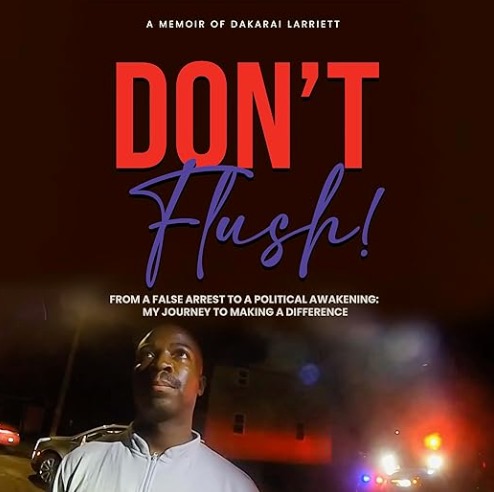
The charges were dismissed within three days: because there was never any evidence to begin with. But the damage was done.

The Cover-Up
Here's where Dakarai's legal background and determination really kicked in. After the arrest, he filed a Freedom of Information Act (FOIA) request to obtain the body camera footage and other evidence from that night. What he discovered was chilling.
"They redacted it. They edited it," Dakarai told me, his voice steady but laced with frustration. The video footage had been tampered with. Crucial portions were missing, including evidence of the verbal abuse and what Dakarai believes was an attempt by officers to plant drugs in his vehicle.
A forensic examiner later confirmed what Dakarai suspected: the video had been edited and redacted in several portions. The very evidence that should have provided transparency and accountability had been manipulated by the very system meant to uphold justice.
This is what systemic injustice looks like: not just the initial wrongdoing, but the institutional effort to cover it up and protect those who abuse their power.
Healing Through Therapy
The emotional and psychological toll of this experience cannot be overstated. Dakarai openly discussed how therapy became essential to his healing process.
"It took a lot of therapy and healing to get to a place where I wasn't terrified of flashing squad car lights," he admitted. This vulnerability: this willingness to acknowledge trauma and seek help: is something I deeply respect and something we talk about often on the podcast.
For many of us in the crossdressing and trans community, therapy has been a lifeline. Whether we're processing discrimination, family rejection, or the internal struggles of self-acceptance, mental health support is crucial. Dakarai's honesty about his healing journey reminds us that seeking help isn't weakness: it's strength.

Fighting Back: The $10 Million Lawsuit
Dakarai didn't just accept what happened to him. He's fighting back with a $10 million lawsuit against the Michigan State Police. While a Michigan District Court judge initially dismissed the case, it's now before the U.S. 6th Circuit Court of Appeals, with oral arguments scheduled.
At the heart of his lawsuit is the legal doctrine of qualified immunity: a controversial protection that often shields police officers from accountability even when they violate citizens' rights. Dakarai argues that this doctrine was incorrectly applied in his case and that it represents a broader problem in our justice system. This isn't just about one man's experience. It's about demanding transparency, accountability, and systemic change so that what happened to him doesn't happen to others.
From Trauma to the Senate Floor
Here's where Dakarai's story takes an inspiring turn. Rather than letting this traumatic experience define him as a victim, he's channeling it into political action. In 2026, Dakarai Larriett is running for U.S. Senate in Alabama as a Democrat in 2026.
If elected, he would make history as the first openly gay Black man to serve in the U.S. Senate. Let that sink in for a moment. In a country where LGBTQ+ rights, particularly for trans women and gender-nonconforming individuals, are constantly under attack, having openly gay representation at the highest levels of government matters tremendously.
Dakarai is a University of Alabama graduate, and his campaign focuses on an "8-Step Alabama Plan" that addresses justice reform, education, and healthcare: issues that affect all Alabamians but especially marginalized communities.
His proposed Motorist Bill of Rights would establish federal rules and regulations to improve accountability and transparency within policing systems nationwide. This legislation would protect drivers from the kind of abuse Dakarai experienced and create clear consequences for officers who violate citizens' rights.
Why This Matters to Our Community
You might be wondering why I'm dedicating an episode of My Girl Life Podcast to someone whose story centers on racial profiling rather than gender identity. The answer is simple: justice is interconnected.
Those of us who are crossdressers, trans women, or anywhere on the gender spectrum understand what it's like to be profiled, judged, and treated as suspicious simply for existing. We know what it means to have our identities questioned, to be gaslit about our own experiences, to be told we're "not really" who we say we are.
The same systems that allowed those Michigan State Police officers to abuse their power, tamper with evidence, and face no immediate consequences are the same systems that criminalize trans women, particularly trans women of color. The same qualified immunity that protects officers who violate rights also protects those who harass, discriminate against, and sometimes violence against LGBTQ+ individuals.
When Dakarai fights for police accountability and justice reform, he's fighting for all of us who've been marginalized, profiled, and dehumanized by systems that are supposed to protect us.
Know Your Rights
Drawing from his traumatic experience, Dakarai shared practical advice during our conversation that could protect anyone during a traffic stop.
"You can deny the sobriety test. It's not even scientific," he told me. While laws vary by state, understanding your rights during police encounters is crucial. You have the right to remain silent. You have the right to refuse searches (though officers can still conduct them with probable cause). You have the right to record the interaction.
For those of us in the trans and crossdressing community who may already face additional scrutiny during police encounters, knowing these rights isn't just helpful: it could be life-saving.
The Power of Speaking Out
What strikes me most about Dakarai's story is his courage to speak out. It would have been easier to accept the dismissal of charges and move on. Instead, he's fighting a lawsuit, running for Senate, and sharing his story on platforms like ours to inspire change.
That's the same courage I see in every person who comes on this podcast to share their journey as a crossdresser or trans woman. It's the courage to say, "What happened to me matters. My story deserves to be heard. And I refuse to be silenced."
Dakarai Larriett's journey from wrongful arrest to Senate candidate is a testament to resilience, determination, and the transformative power of turning trauma into purpose. Whether he wins his lawsuit, whether he wins his Senate race: his voice is already making a difference.
Join the Conversation
I'm so grateful Dakarai trusted me with his story, and I hope you'll listen to the full episode to hear his words directly. His experience reminds us that justice isn't just a buzzword: it's something we must actively fight for, in courtrooms, at ballot boxes, and in our everyday lives.
To everyone in our community who's faced discrimination, profiling, or injustice: your stories matter. Your experiences are valid. And like Dakarai, you have the power to transform pain into purpose.
Let's keep the conversation going. What resonated with you about Dakarai's story? Have you had similar experiences with law enforcement or other systems of power? Share your thoughts, support each other, and remember: we're all in this together.
Stay fabulous, stay fierce, and never stop fighting for the justice we all deserve. 💕
Comments