


How Trans Women and Crossdressers Find Community (and Why It Matters)

Finding your tribe isn't just nice to have: it's essential. For trans women and crossdressers, discovering a supportive community can literally be life-changing. Whether you're taking your first tentative steps into exploring your identity or you've been on this journey for years, connecting with others who "get it" makes all the difference.
Let's dive into how people are building these vital connections and why community support isn't just helpful: it's transformative.
The Digital Highway to Connection
Most journeys toward community start with a late-night Google search. Maybe it's "crossdresser support groups near me" or "trans women communities online." Whatever brings you to that search bar, the internet has become the gateway for so many to find their people.
Online forums and social platforms have exploded as safe havens for trans women and crossdressers. Take Crossdresser Heaven, for example: this platform boasts over 35,000 members who engage in open, honest conversations about everything from sexuality and gender expression to the nitty-gritty details of makeup techniques and clothing tips.
These digital spaces offer something magical: anonymity when you need it, and connection when you're ready. You can lurk in the shadows, reading stories that mirror your own experience, or jump right into discussions about mental health, product recommendations, and personal journeys. The beauty is that you control the pace.
Social media groups on Facebook, Reddit communities, and specialized forums create 24/7 access to support. When dysphoria hits at 2 AM, or when you're feeling alone in your crossdressing journey, these communities are there. Someone's always online, always ready to offer encouragement or practical advice.
Local Groups: Where Online Friends Become Real-Life Family
While online connections provide incredible support, there's something irreplaceable about meeting face-to-face with people who share your experiences. Local support groups bridge the gap between digital friendships and real-world community.
Organizations like River City Gems in Sacramento demonstrate the power of geographic communities. As Northern California's largest social and support group for transgender women and crossdressers, they draw members from across the Central Valley, Bay Area, and even neighboring states. These groups often start as small gatherings but grow into extended families.
Local LGBTQ+ community centers frequently host support groups specifically for trans women and crossdressers. The beauty of these meetings? They're typically free, welcoming to newcomers, and led by people who've walked similar paths. You might find groups that focus on different aspects: some emphasize social connection, others dive deeper into identity exploration, and some blend both approaches.
Finding local groups often happens through word-of-mouth within LGBTQ+ circles or through online searches for community centers in your area. Many groups maintain private Facebook pages or websites where you can learn about meeting times and get a feel for the group's personality before attending.
National Organizations: The Big Picture Support
Sometimes you need support that goes beyond your local community. National organizations provide structure, resources, and connections that span the entire country: and sometimes the globe.
PFLAG stands as the nation's largest organization dedicated to supporting LGBTQ+ people and their families. With local chapters everywhere and virtual meetings, PFLAG creates a network of support that trans women and crossdressers can tap into regardless of where they live. Their family-focused approach often helps not just individuals but their loved ones navigate this journey together.
Trans Lifeline operates as a trans-led organization providing peer support through hotlines and comprehensive resources. When you're in crisis or just need someone who understands, having access to trans peers who've faced similar challenges can be life-saving, literally.
International organizations like The Beaumont Society, established way back in 1966, serve the transgender spectrum globally. These long-standing organizations bring decades of experience and institutional knowledge to support networks.
Why Community Connection Changes Everything
The research is clear, and lived experiences confirm it: community connection isn't just beneficial for trans women and crossdressers: it's essential for thriving.
Creating Emotional Safety Nets
Support groups create what members describe as "non-judgmental environments" where people can share their deepest thoughts and experiences without fear. This emotional safety reduces isolation and creates space for authentic self-expression.
When you're in a room (or chat room) full of people who've questioned their gender identity, experimented with different expressions, or navigated family reactions, you're not explaining yourself: you're just being yourself. That shift from defense to acceptance creates profound emotional relief.
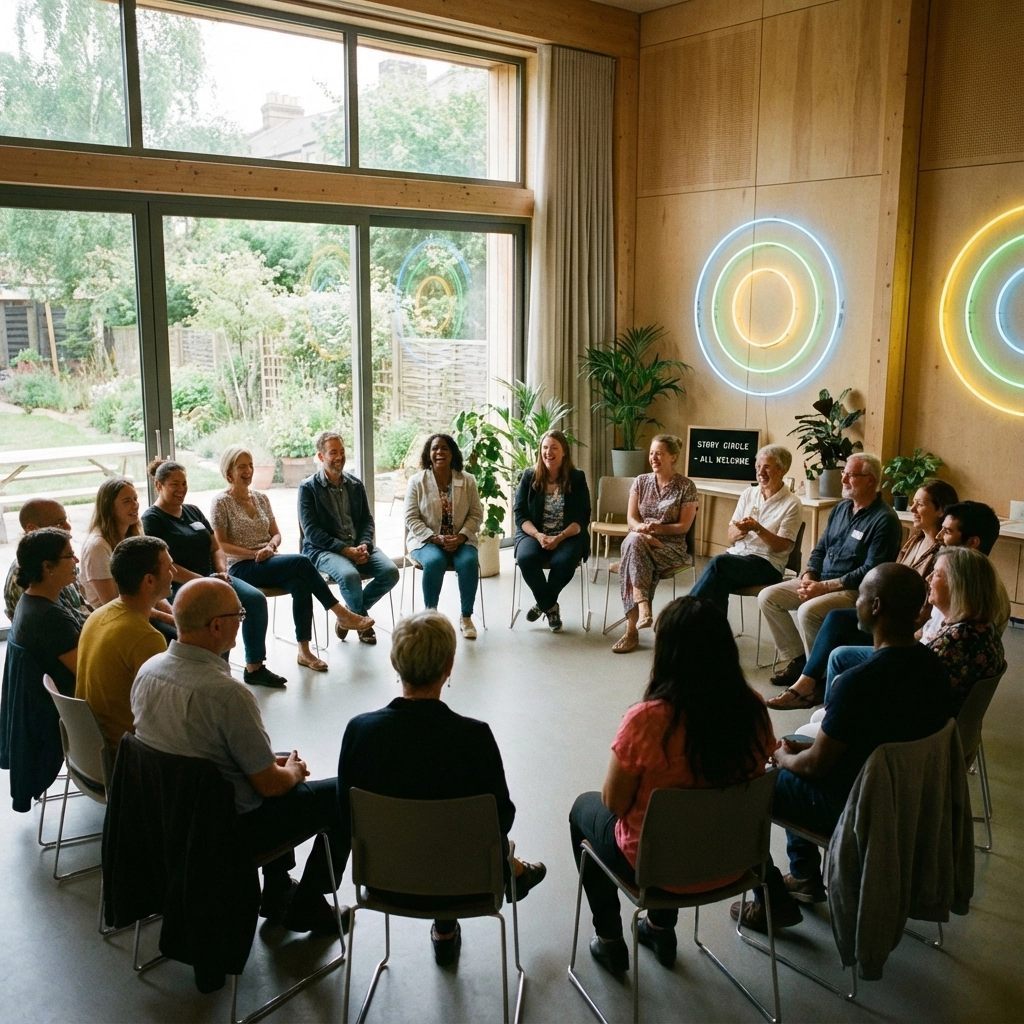
Members of these communities consistently describe finding "a safe haven" where expressing themselves "feels so natural, so right." This validation from peers who truly understand can boost self-confidence in ways that well-meaning family and friends often can't match.
Knowledge Sharing That Actually Works
Communities become information exchanges where practical knowledge flows freely. New crossdressers learn makeup techniques from veterans, trans women share resources about hormone therapy, and everyone benefits from collective wisdom about everything from clothing shopping to handling workplace transitions.
This peer-to-peer education often proves more valuable than formal resources because it comes from lived experience. Someone who's navigated coming out to conservative parents, found a supportive therapist, or mastered the art of voice feminization can share real-world strategies that actually work.
Support groups also connect people to practical resources like informed consent clinics, friendly hair salons, and supportive healthcare providers. This resource sharing can save months of trial and error.
The Power of True Belonging
Perhaps most importantly, these communities provide something that can't be found anywhere else: the profound experience of being understood by people who share similar journeys.
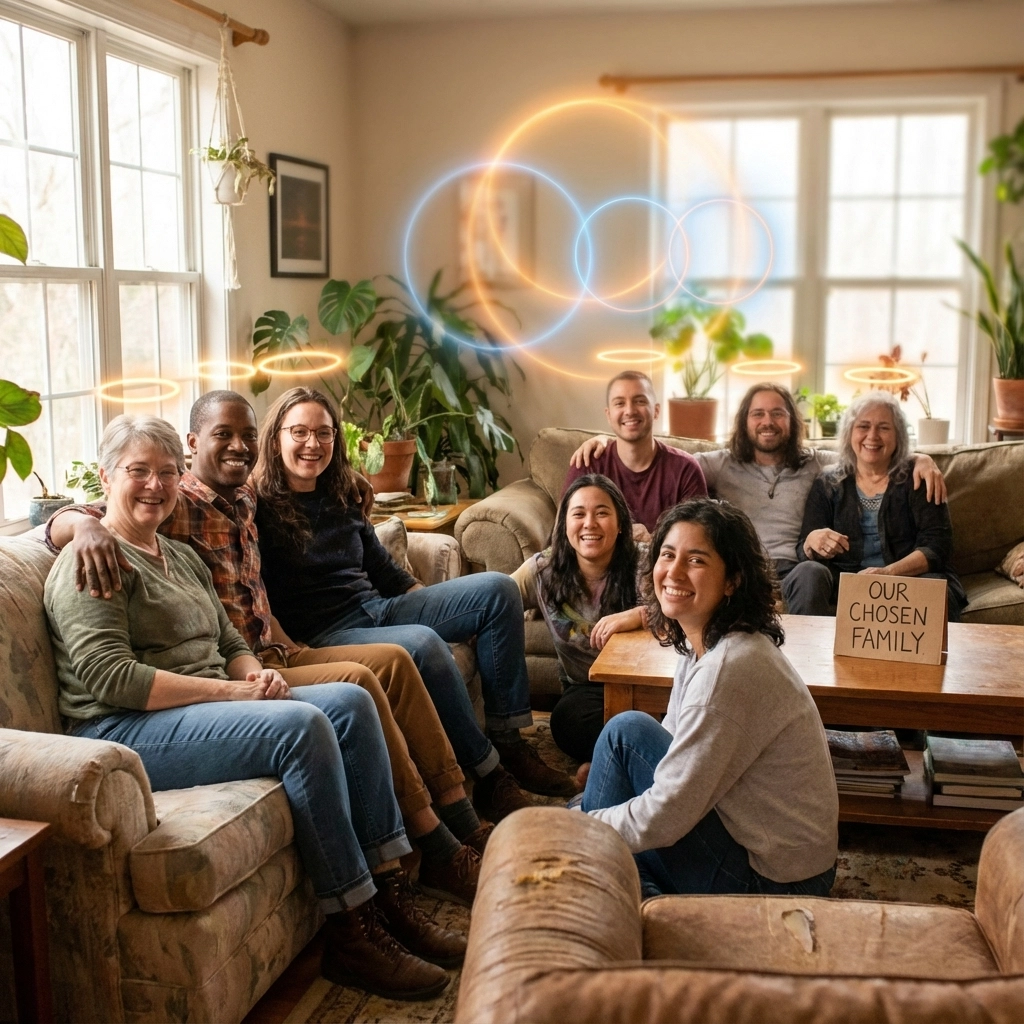
The companionship ranges from casual social connection to deep, lasting friendships. Many describe finding their "chosen family" within these communities: people who celebrate their achievements, support them through challenges, and simply enjoy their company.
This sense of belonging helps people not just survive but truly thrive. When you know you have a community that accepts and celebrates you, taking risks becomes easier, self-expression becomes more natural, and personal growth accelerates.
Building Bridges, Not Walls
One beautiful aspect of these communities is how they bridge different experiences within the transgender spectrum. Crossdressers, trans women, non-binary individuals, and allies often find common ground and mutual support despite different identity labels or transition goals.
These connections help break down misconceptions and create understanding across different experiences. A crossdresser might gain insight from a trans woman's transition journey, while someone questioning their identity might find clarity through hearing diverse stories.
Resource Access That Opens Doors
Beyond emotional and social support, communities serve as gateways to essential resources. Organizations connect members to housing programs, healthcare maps, financial assistance, and legal support services.
Trans Lifeline, for instance, connects trans people not just to emotional support but to community resources and economic assistance. This comprehensive approach recognizes that thriving requires more than just emotional support: it requires practical help navigating systems that weren't designed with trans experiences in mind.
Taking the First Step
If you're reading this and thinking about finding your own community, remember that every connection starts with a single step. Whether that's joining an online forum, attending a local meetup, or calling a support hotline, your journey toward community begins with reaching out.
Most groups welcome newcomers warmly and understand that taking that first step requires courage. You don't need to have everything figured out or know exactly where your journey is headed. You just need to be willing to connect with others who understand what it's like to question, explore, and grow.
The trans women and crossdressers who've found their communities consistently say the same thing: "I wish I'd done this sooner." Your community is out there, waiting to welcome you home.
Community isn't just about having people to talk to: it's about having people who truly see you, support your journey, and celebrate who you're becoming. In a world that doesn't always understand or accept gender diversity, these communities become sanctuaries where trans women and crossdressers can simply be themselves.
That's not just nice to have. That's everything.
Comments