


The Great Gender Gap: Why Are There More Male-to-Female Crossdressers?
- Maddie Taylor

- Jan 7
- 5 min read
If you've ever wondered why male-to-female crossdressers seem way more visible than their female-to-male counterparts, you're not alone. It's one of those questions that pops up in our community all the time, and honestly? The answer is way more fascinating than you might expect.
Spoiler alert: It's not because men are inherently more interested in exploring gender identity through clothing. The real story involves everything from fashion evolution to social psychology, and it's about to blow your mind.
The Great Counting Conundrum
Here's the thing that'll make you go "Ohhhhh" – we're not actually comparing apples to apples when we count crossdressers. The line between everyday clothing and female-to-male crossdressing has become so blurred that it's practically invisible, while the boundary for male crossdressing remains as clear as a neon sign in Times Square.
Think about it: when was the last time you saw a woman in a business suit, jeans and a t-shirt, or even a full three-piece ensemble and thought, "Wow, look at that female cross dresser"? Probably never, right? That's because women wearing traditionally masculine clothing has become so normalized that we don't even register it as crossdressing anymore.
Meanwhile, a man in a dress, heels, or even just painted nails? That still reads as crossdressing to most people. The social markers are completely different, which means our "statistics" are basically comparing a clearly defined group to one that's hiding in plain sight.
The Pants Revolution (And Why Dresses Didn't Get the Memo)
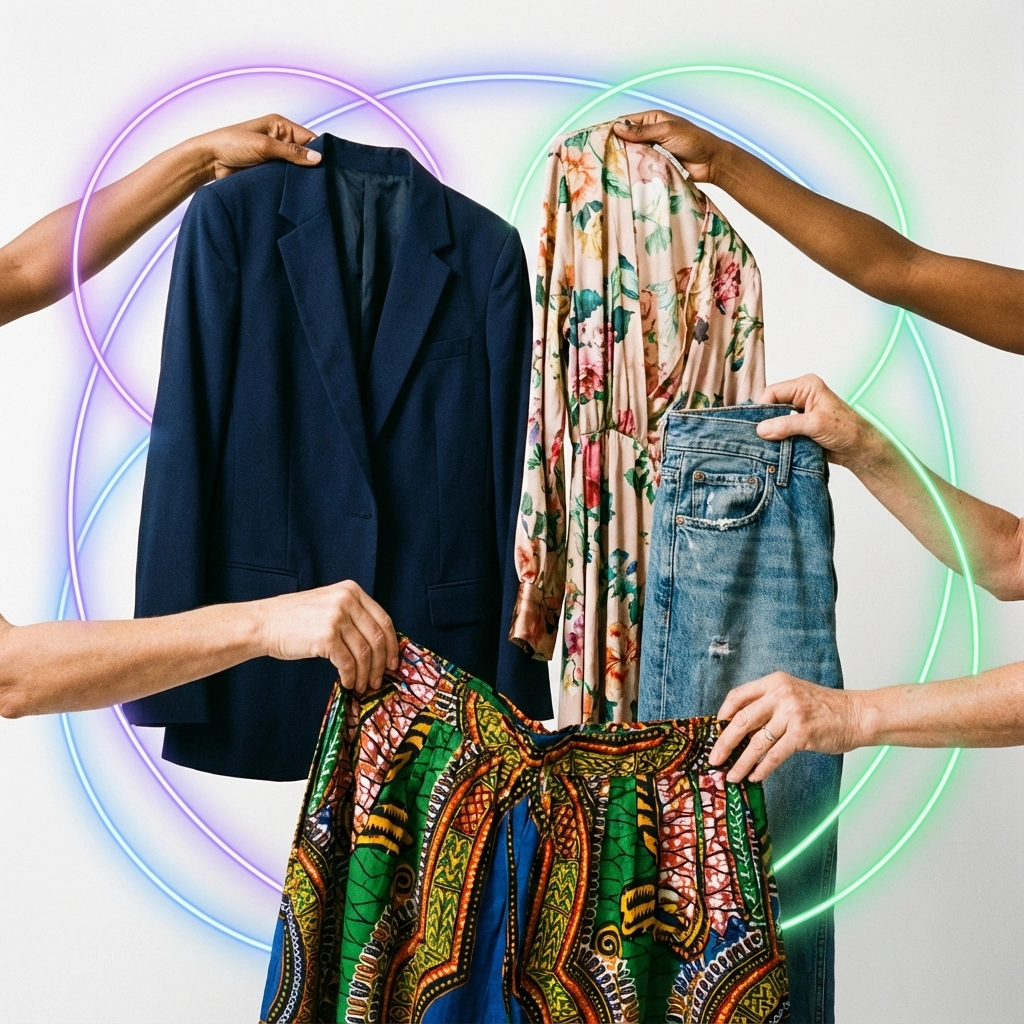
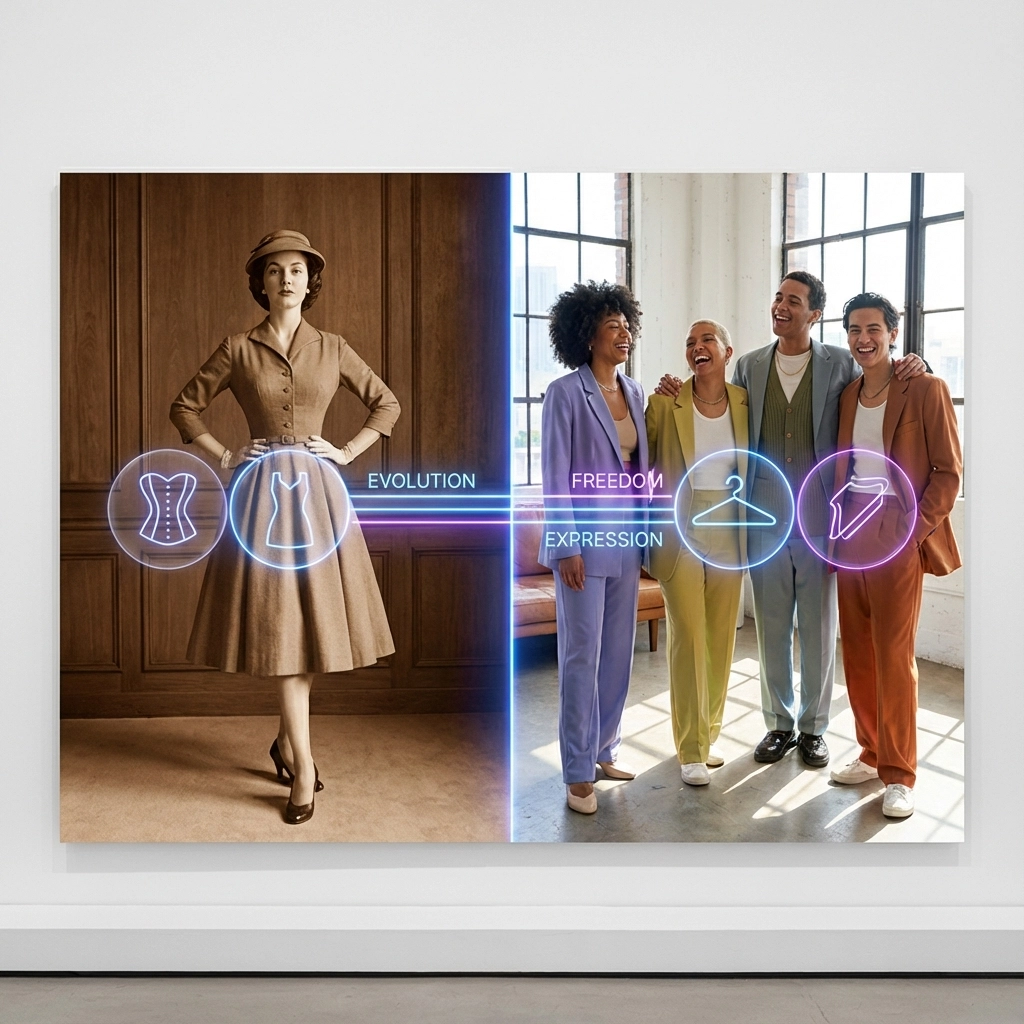
Let's take a little trip back in time. The women's liberation movement didn't just fight for voting rights and workplace equality – it also completely revolutionized what women could wear. When women started entering the workforce en masse, pants became not just acceptable but practical. Blazers, button-down shirts, and even ties became part of the everyday feminine wardrobe.
But here's where it gets interesting: this fashion revolution was largely one-directional. While women gained the freedom to adopt traditionally masculine clothing, men didn't get the same pass to explore feminine fashion. The "pants vs. dresses" double standard isn't just a catchy phrase – it's a real social phenomenon that affects how we perceive and count crossdressing behavior.
This double standard runs so deep that many women don't even realize they're wearing what would have been considered "men's clothing" just a few generations ago. They're just... wearing clothes. But when a man explores traditionally feminine fashion? That's still seen as crossing a clearly defined social boundary.
The Stigma Spectrum
Research shows that females adopting cross-gender behaviors face relatively lower social stigmatization compared to males doing the same thing. This isn't just a casual observation – it's a measurable social phenomenon that has real-world implications for how people express themselves.
When social stigma is lower, people have more freedom to experiment and express themselves without seeking formal support or community. Some individuals exploring gender identity found that they could get partial relief from gender dysphoria simply by adopting some cross-gender behaviors and social roles. They didn't necessarily need to join communities, start blogs, or seek out specific support networks because the social cost was manageable.
But as barriers to care and social acceptance have decreased across the board, we're seeing more people of all gender expressions seeking complete authenticity rather than just partial expression. This shift is gradually changing the visible landscape of gender exploration.
The Visibility Factor
Here's another piece of the puzzle: community building and visibility. Male-to-female crossdressers historically needed to build stronger, more visible communities because the social challenges were more significant. When you're facing higher levels of stigma, you need more support – and that support often comes in the form of online forums, blogs, meetup groups, and yes, podcasts.
This need for community created a feedback loop. More visible communities meant more people discovering they weren't alone, which led to more people joining these communities, which made them even more visible. Meanwhile, female-to-male individuals who could find some expression through mainstream fashion might not have felt the same urgent need to seek out specialized communities.
Think about it from a crossdresser blogger perspective – if you're a man exploring feminine expression, you might really need that community connection and validation because mainstream society isn't providing it. If you're a woman wearing traditionally masculine clothing, you might get that validation from regular fashion blogs, workplace environments, or general social acceptance.
The Changing Landscape of Gender Expression
But here's where things get really interesting – the landscape is changing fast. As society becomes more accepting of diverse gender expressions across the spectrum, we're seeing shifts in how people explore and express their gender identity.
Younger generations are growing up with much more fluid concepts of gender expression. They're questioning not just the clothes they wear, but the entire framework we use to categorize and understand gender. This generational shift is creating new patterns of exploration and community building.
We're also seeing more nuanced conversations about the difference between crossdressing as a form of expression, gender exploration, and transgender identity. These distinctions matter because they help us understand that people have different needs, different goals, and different relationships with gender expression.
The Support System Difference
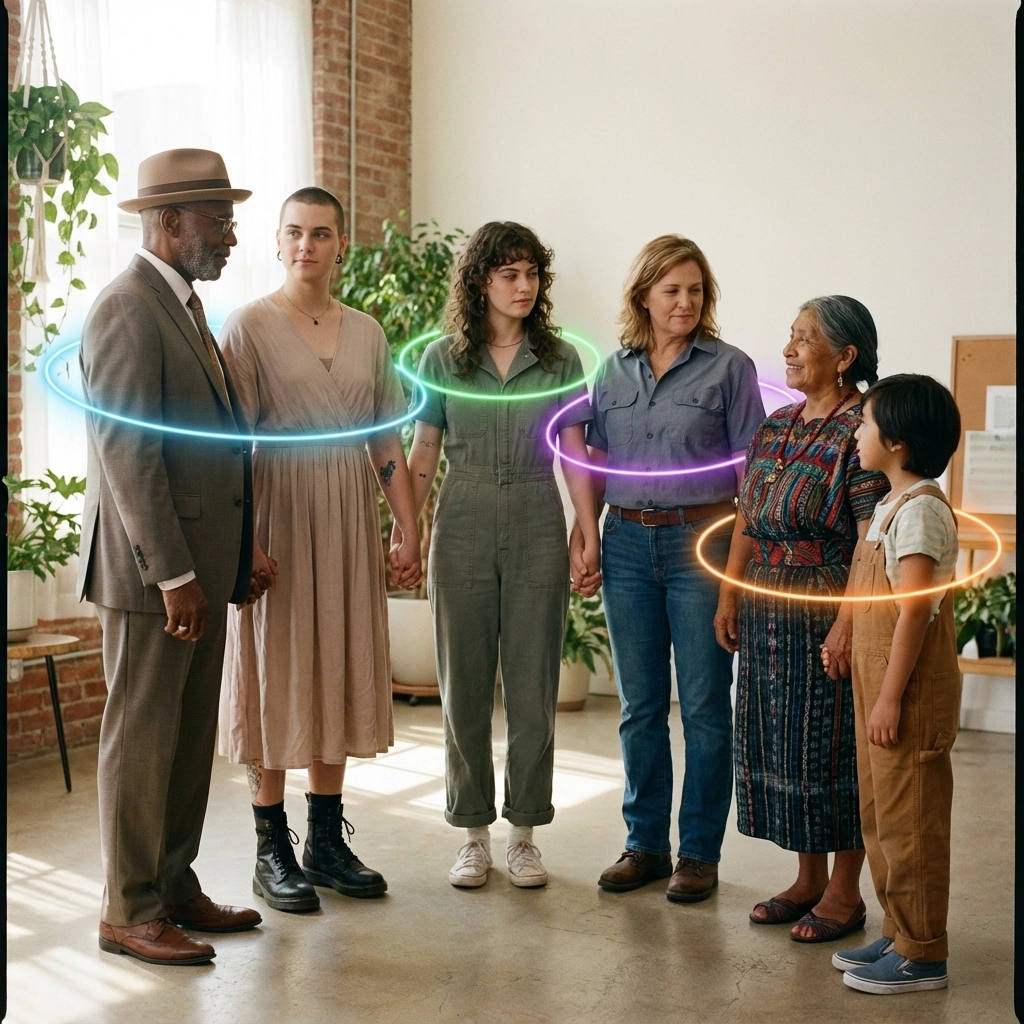
The way communities form and offer support also varies significantly between male-to-female and female-to-male expressions. Male-to-female crossdressing communities often developed around specific needs: finding the right clothing sizes, makeup tutorials, voice training, and navigating social situations. These are concrete, practical needs that lend themselves to community building and resource sharing.
Female-to-male expression, when it was more socially acceptable, didn't always require the same level of specialized knowledge or community support. Shopping in the men's section? Not a big deal. Adopting a more masculine presentation? Often achievable without specialized tutorials or support groups.
This difference in practical needs led to different types of community development, which in turn affected visibility. The communities that formed around male-to-female expression were often more specialized, more visible, and more digitally connected.
What This Means for Exploring Gender Identity
Understanding this visibility gap is crucial for anyone exploring gender identity, regardless of where they fall on the spectrum. It reminds us that statistics and visibility don't always tell the complete story of human experience.
For people questioning their own gender expression, this knowledge can be liberating. It suggests that there are probably way more people exploring all forms of gender expression than we realize – some are just more visible than others due to social and historical factors.
It also highlights the importance of creating inclusive spaces where all forms of gender exploration are welcomed and supported. Whether someone is taking their first tentative steps into crossdressing or has been part of the community for decades, understanding these dynamics can help create more empathetic and supportive environments.

The Future of Gender Expression
As we move forward, we're likely to see these visibility gaps continue to shift. Social media has democratized community building and support networks. Younger generations are approaching gender expression with more fluidity and less binary thinking. Legal and social protections are expanding in many places.
All of these factors suggest that the future landscape of gender expression will look quite different from what we see today. The "great gender gap" in crossdressing visibility might be more of a historical artifact than a permanent feature of human gender expression.
What doesn't change is the fundamental human need for community, support, and understanding. Whether you're part of a highly visible community or exploring in ways that don't have clear labels, the journey of understanding yourself and expressing your authentic identity deserves support and celebration.
The apparent gender gap in crossdressing isn't really about who's more interested in exploring gender through clothing – it's about measurement challenges, social stigma, historical fashion evolution, and community development patterns. Understanding these factors helps us create more inclusive conversations about gender expression and reminds us that human experience is always more complex and varied than our statistics suggest.
And honestly? That complexity is part of what makes the journey of gender exploration so beautifully human.
Comments