


The Ultimate Guide to Supporting Your Trans Partner: Everything You Need to Succeed

If you’re reading this, chances are your world just shifted a little bit. Maybe it was a quiet conversation over coffee, a tearful late-night confession, or a carefully written letter. Your partner has shared a part of themselves that they’ve likely been guarding for years: maybe even decades. Whether they’ve come out as a crossdresser or shared that they are Trans women, the ground beneath you might feel a little shaky right now.
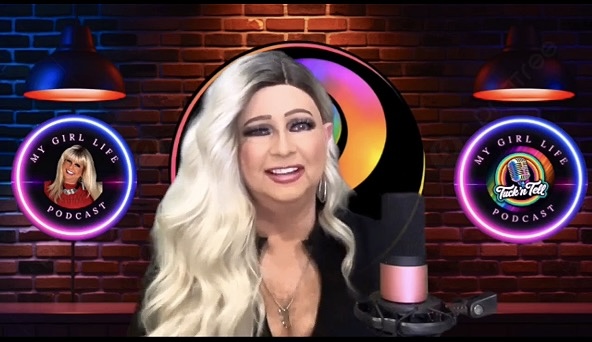
First, take a deep breath. I’m Maddie Taylor, and through the My Girl Life Podcast, I’ve talked to hundreds of people navigating this exact journey. I’ve seen the fear, the confusion, but most importantly, the incredible love that survives and thrives through transition. Supporting a trans partner isn’t just about being "nice": it’s about a radical commitment to empathy, communication, and self-growth.
In this guide, I want to walk you through the raw, honest reality of how to be the partner they need while making sure you don’t lose yourself in the process.
The Foundation: Unconditional Positive Regard
When your partner tells you they are transitioning or exploring crossdressing, your first instinct might be to panic. You might wonder, “Who did I marry?” or “Is our life over?” That’s a human reaction. But the most powerful thing you can offer right now is what psychologists call unconditional positive regard.
This doesn’t mean you have to understand every single nuance of gender theory by tomorrow morning. It means you offer love and respect regardless of whether you fully "get it" yet. You have to recognize that your partner is still the person you fell in love with: they are just finally giving you the keys to the locked room in their heart. Trust their autonomy. They have spent a lifetime thinking about this; give them the space to figure out their authentic self without the fear of judgment or rejection.

Communication: Beyond the Basics
We talk about communication a lot on the My Girl Life Podcast, but when it comes to a trans partner, communication needs to be your superpower.
Pronouns and Names
If your partner has asked for new pronouns or a new name, use them. Consistently. Even when they aren't in the room. I know it’s hard at first: your brain is literally re-wiring years of habits. If you slip up, don't make it a "big deal" where they end up comforting you for your mistake. Acknowledge it, correct it, and move on. Over time, this builds a massive bridge of trust. It tells your partner, “I see you as you truly are.”
The "Uncomfortable" Talks
Don't avoid the elephant in the room. If you’re scared about how this affects your sex life, your social standing, or your future together: talk about it. Silence usually breeds resentment. On the podcast, I often reflect on how the most successful couples are the ones who can say, “I’m scared, but I’m here.” Listen actively to understand what their gender identity means for them, not just what it means for you.
Practical Allyship: Getting Into the Trenches
Support isn't just an emotional state; it’s an action. One of the most beautiful ways to support Trans women or crossdressers is to participate in the "fun" stuff: and the scary stuff: of presentation.
Shopping Together: The first time a trans person walks into a women’s clothing store, it can feel like walking into a lion’s den. Be their wing-woman. Help them find their size, offer honest (but kind) feedback on styles, and make it a bonding experience.
The Learning Curve: Transitioning involves learning a lot of skills that most girls learn in middle school. Makeup, hair styling, walking in heels: it’s a lot! If you have these skills, offer to share them. If you don't, learn them together. There’s something incredibly intimate about helping your partner with their eyeliner for the first time.
Navigating the World Together
Supporting a trans partner means being their advocate in a world that isn't always kind. This is where the "raw and honest" part comes in. You will likely face some uncomfortable moments in public.
Public Outings: When your partner is ready to step out for the first time, they will be hyper-aware of every glance. Your job is to be the steady anchor. Hold their hand. Be the "normalizer."
Setting Boundaries: You don’t owe everyone an explanation of your partner’s life. Decide together how you want to handle "coming out" to friends, family, and neighbors. Having a unified front is essential.
Your Emotional Welfare: You Can't Pour From an Empty Cup
This is the part many guides skip, but we never do on the podcast: Your feelings matter too. You are going through a transition as a partner. You might experience a sense of grief for the person you thought you knew, or anxiety about the future.
Find Your Own Support: You need a safe place to vent that isn't your partner. Whether it’s a therapist, a support group for partners, or a trusted friend, make sure you have a "pressure valve."
Maintain Your Identity: Don't let your partner's transition become the only thing your relationship is about. Keep doing the things you loved before. Go to the movies, go hiking, talk about work. Maintain the "normalcy" and joy that brought you together in the first place.

Learning from the Community
If you’re feeling overwhelmed, I highly recommend listening to some of our guest interviews on the My Girl Life Podcast. We don’t just talk to trans individuals; we often delve into the complexities of relationships. Hearing from other partners who have walked this path can be incredibly healing.
For example, when we have guests like Heidi Phox, we explore the deep layers of identity and how it impacts the family dynamic. These stories are a reminder that you aren't alone. There is a whole community of people who have felt exactly what you’re feeling right now.
Small Steps Lead to Big Success
Transition is a marathon, not a sprint. Some days will feel like a celebration, and some will feel heavy. That’s okay. The key is to keep showing up.
Celebrate the wins: the first time they feel truly beautiful, the first time they get "gendered" correctly in public, the first time they smile and actually mean it. These moments are the fuel that will keep your relationship moving forward.

Remember, your partner isn't changing who they are: they are changing how they look so that their outside finally matches their inside. It’s an act of incredible bravery for them to share this with you. By being a supportive partner, you aren't just helping them transition; you are helping them finally live.
Join us on the next episode of the My Girl Life Podcast as we continue these raw and heartfelt conversations. Together, we can navigate this journey with grace, humor, and a whole lot of love. If you’re ready to dive deeper into these stories of resilience and authenticity, experience the journey with us and reflect on how you can make your own relationship even stronger.
Stay beautiful, stay supportive, and most importantly, stay true to each other. 💋✨
Comments